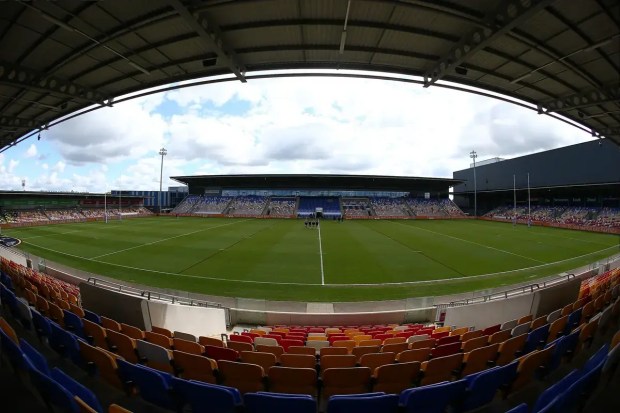
Swindon have been thrown out of the Vertu Trophy after the EFL ruled the club fielded two ineligible players against Luton Town, handing the Hatters a route into the quarter-finals instead.
It is a messy, avoidable episode that has irritated almost everyone involved, and it says far more about governance and basic competence than it does about football. What it also does is show a basic lack of respect towards the supporters who made the journey, a point many are missing in the saga.
A sanction that feels inevitable, and still leaves a sour taste
The 2-1 win over Luton has been wiped from the competition record, and the consequence is blunt: Luton progress, Swindon do not, and Plymouth now head to Kenilworth Road for a last-eight tie that has been taken off its original schedule while a new date is confirmed.
That, on the face of it, is straightforward. If you field a suspended player, introduce a substitute who is not on the teamsheet, you get punished. A knockout competition cannot really tolerate “close enough” administration without undermining the idea of eligibility rules entirely. If the only penalty is a fine, then the risk calculus changes overnight, and the incentive becomes grimly obvious: play now, apologise later, take the hit if you are caught. The competition would quickly become impossible to police in good faith.
Half the story
But that is only half the story, because the anger around this is not just about the outcome, it is about how utterly preventable it was. Not a marginal registration deadline missed by minutes, not a technicality buried in footnotes, but the sort of error that professional clubs simply cannot be making. When a captain is in the middle of a suspension, the default should be caution, not creativity, and the administrative chain should be strong enough that a substitution does not require a mid-game scramble to confirm whether the paperwork matches reality.
Granted, a red card in the league does not apply in the EFL Trophy, but Clarke’s suspension was deeper than that. His seven-game ban covered all competitions, and an additional one-game suspension drew the ire of Ian Holloway. Given the nature of the offence, it might have been better if Holloway kept a dignified silence, rather than completely losing his cool in an undignified rant.
What makes it worse is the lingering sense that the event itself was allowed to drift far too long before anyone applied the brakes. The match continued, then stopped, then restarted, and all of it created the impression that the system is reactive rather than robust. Swindon can maybe feel hard done by; they have said as much, but the wider point remains that the sport asks supporters to treat these competitions seriously while the adults in the room fail the most basic test of diligence.
Why it has landed with a shrug, and why that is still a problem
There is also a very real fatigue attached to the Vertu Trophy itself, and this episode has not exactly reminded anyone why the competition is worth emotional investment. For some clubs, the calculation is simple: the league campaign is the priority, and anything that distracts from it is an irritant. In that context, being thrown out becomes less of a tragedy and more of a release.
Yet that shrug is dangerous, because it lets the club off too easily. If supporters have travelled, paid, and committed their time in good faith, then the minimum expectation is that the club has done the same behind the scenes. You accept a bad result, you accept a poor performance, you even accept a referee having an off night. What you should not accept is the club failing to meet the baseline professional standard of naming eligible players and submitting an accurate teamsheet.
If there is a silver lining for Swindon, it should be a ruthless internal reset. This does not need grandstanding or a prolonged public war with the authorities. It needs a quiet, boring, thorough tightening of process, accountability that is proportionate and fair, and a recognition that “major whoopsie” cannot be a workable operating model at this level.
Because whether you care about the Vertu Trophy or not, the wider message matters: you do not get to treat the rules as optional and then act shocked when the rulebook bites. Fans deserve better.