Forest Green Rovers have done it again. Just when you think football’s most tiresome vanity project might slip quietly into the background, they find another way to remind everyone that the shiny green wrapper has always mattered more than the substance underneath.
This time, the greenwashing kings have binned off their women’s team for the 2026/27 season, because apparently the best way to show commitment to progress is to scrap an entire side that finished second in its division and missed out on promotion by a single point.
According to the club, the decision has been made so they can “concentrate their resources” on getting the men’s team back into the Football League. That is some statement. Forest Green Women lost just one league match last season, finished second in tier five, and had already been allocated a place in the pyramid for the new campaign. Rather than build on that, rather than back something that was clearly working, the club have decided it can wait. Women’s football, it seems, is welcome at Forest Green when it is useful for the image, but disposable when the men’s side needs another push to get out of the National League.
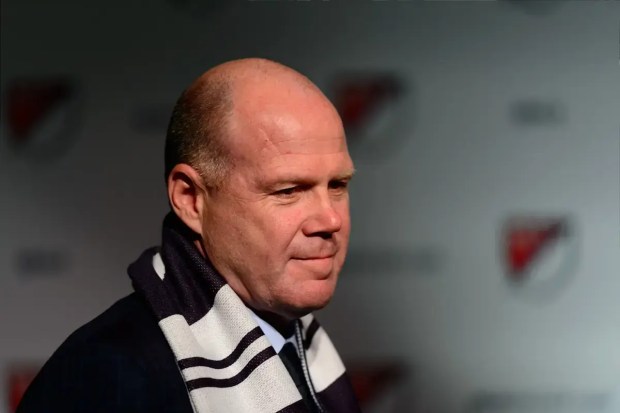
That would be bad enough at any club. At Forest Green, it carries a special stink. This is the club that has spent years telling everyone it is different. Different values, different ethics, different future. Dale Vince and Forest Green never simply wanted to be a football club, they wanted to be a statement. Vegan menus, green energy, wooden stadium plans, sustainability slogans, endless moral posturing. They were not just playing football, they were supposedly changing football. Well, here is the change: a successful women’s team dropped because Robbie Savage’s men finished seventh and lost in the play-offs.
Hypocrisy creeps in
The hypocrisy is almost too perfect. Three years ago, Forest Green was lapping up the attention when Hannah Dingley was appointed caretaker manager of the men’s team. As recently as April, Vince was still using her appointment as an indication of what a forward-thinking club, devoid of sexist attitudes, the Villagers were.
A trend started at Forest Green, when we appointed Hannah Dingley to head our men’s Academy and then lead our men’s first team.
We recruit regardless of gender, race, religion etc etc – the only thing that matters is who looks best suited for the job. Women leading top flight… pic.twitter.com/grK0BcFUV2
— Dale Vince (@DaleVince) April 14, 2026
It was hailed as a landmark moment: the first woman to take charge of a senior English professional men’s team. Vince was quoted at the time as saying it was “a very simple decision” because Dingley was “the most qualified person at the club for the job”. Fine words. Lovely headlines. Plenty of approving noises from people who like their football stories wrapped in social progress and plant-based virtue.
The problem is that landmark moments only matter if they are part of something deeper. Otherwise, they are not landmarks at all. They are billboards. Dingley lasted less than a fortnight before David Horseman was appointed. Now, three years later, the same club that was so keen to be seen putting a woman in charge of its men’s team has decided it cannot run a women’s team at all. What was the grand message, then? Was it really about opportunity, pathway and equality, or was it just another line in the Forest Green brochure?
It looks increasingly like the latter. The Dingley appointment always carried the danger of becoming a PR stunt, not because of her ability, but because of the club around it. She deserved to be judged as a coach, not used as a symbol. Yet Forest Green have always been very good at symbols. Stars on shirts for promotions they had not won. Grand stadium visions near the motorway while preaching environmental purity. A village club with a Westminster budget telling everyone else how football should be done. Now we can add another symbol: a club that wanted applause for putting a woman in the dugout, then quietly removed women’s football from the building.
It’s not the vegan ethos
This is why Forest Green irritates so many people. It is not vegan food, no matter how much that gets thrown around. This writer almost has a respect for their vegan values, and while the slavering right seems to think it is an issue, it is purely the club’s decision. There isn’t even a problem with the politics: leftism isn’t all that attractive in English football (in Germany, it is celebrated at St Pauli), but Dale Vince being a Labour supporter irks some right-wing football fans. Much of what Vince posts, at face value, appeals to this writer. We should be saving the planet. We should look at our meat consumption. We should speak out against the elite, back green energy and as a society, be kinder to those in need.
Sadly, it is the often anecdotal evidence of the front-facing facade not being matched by the culture persona that makes one think. For instance, sacking a groundsman because, as rumours at the time suggested, he failed to provide a perfect playing service using only organic materials, or making captain Aaron Racine pay for his own operation after he injured his ACL while out on loan. On Indeed, the overall 2.9 star rating for Ecotricity suggests, as one poster puts it: ‘unrealistic goals set and no help from management, different rules for other employees. Wouldn’t recommend working here, favouritism, no structure.’ Another questions why the front-facing green ethos isn’t always reflected behind the scenes.
It is not even the green agenda that they should be disliked for, because football could certainly do with thinking harder about waste, travel and sustainability. The problem is the tone. The problem is the sense that everything Forest Green does comes with a lecture attached. They have spent years presenting themselves as morally superior to the rest of the game, as if everyone else is stuck in the dark ages while they alone have seen the light. Then, when a real test comes, such as this week when the club has to support a women’s team that has earned the right to carry on, the decision is cold, brutal and entirely conventional: resources go to the men.
That is not revolutionary. That is not progressive. That is the same old football logic dressed in hemp clothing, preaching with one post and destroying with the other.
There will be explanations, of course. There always are. The club will point to the collapse of a possible partnership with Hartpury University. They will talk about sustainability and long-term planning. They have already said this is not goodbye to women’s football and that they would “like it to return” in the future. How generous. The players, staff, volunteers and supporters who gave time, effort and belief to the women’s programme can take comfort in knowing the club would like to care again one day, when the time is right.
The timing is right now. The team was competitive now. The structure existed now. The league place was there now. If Forest Green truly believed in women’s football, they would have found a way to keep it alive. Instead, they chose the men’s promotion push.
That is the part that should anger people. Not because Forest Green are the only club to make poor decisions around women’s football, but because they have made such a performance of being better than everyone else. They have marketed themselves as the ethical club, the future-facing club, the club with principles. Principles are easy when they bring attention. They are harder when they cost money, effort or priority. Forest Green have shown exactly where theirs sit.
For years, the dislike of Forest Green has been easy to caricature. Traditional fans hate them because they are vegan. They hate them because Dale Vince is outspoken. They hate them because a small club got bankrolled. There is some truth in parts of that, but it misses the bigger point. The real problem is not that Forest Green tried to be different. It is that they demanded credit for being different while behaving, time and again, like the worst kind of football vanity project.
They are not a fairy tale. They are a bankrolled experiment, greenwashed. At some punk gig, you see Forest Green shirts, like an English St Pauli, but it is facepaint. Underneath, there is an example of everything wrong with the National League. They were not a humble village club beating the odds. They were a club inflated by one man’s wealth and ego. They were not a model of modern values. They were a marketing campaign with floodlights.
Now, with the women’s team scrapped, the mask has slipped again. The club that once wanted praise for giving Hannah Dingley a few days in charge has decided a whole women’s side is surplus to requirements. The club that preached progress has chosen retreat. The club that sold itself as the future has fallen back on the oldest excuse in the book: the men come first.
So why should everyone hate Forest Green Rovers?
Because the game is full of imperfect clubs, but few have been so smug about their supposed virtue while proving so willing to abandon it. Because they have spent years asking to be admired for what they represent, and now we can see what that representation is worth. Because behind the slogans, the stunts and the self-satisfied glow, this is still a football club that can throw a successful women’s team overboard to chase fifth-tier promotion for the men.
That is not progress. That is not sustainable. That is Forest Green Rovers.