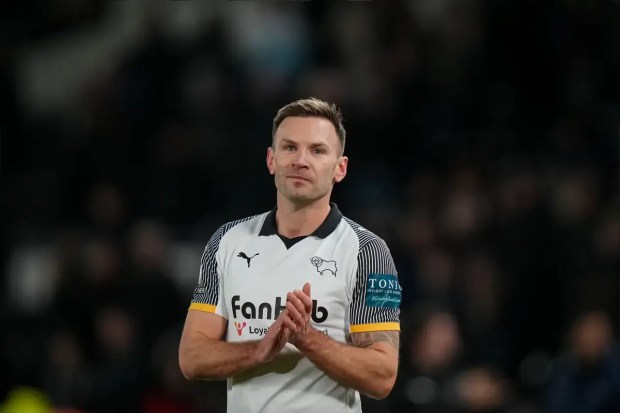
Gillingham’s 3-0 defeat to Oldham Athletic was damaging on the pitch, but Bradley Dack’s post-match assessment may prove even more significant.
While Oldham celebrated back-to-back League Two wins for the first time since September, the mood inside Priestfield was one of frustration and disbelief. The Gills were two goals down inside 20 minutes, both conceded from set-pieces, and never truly regained control of the contest.
Dack did not attempt to soften the analysis. His focus was not on tactical tweaks or missed chances, but on something more fundamental.
“We didn’t battle enough,” said Dack. “It felt like they out-fought us, which is a difficult thing to say as a Gillingham player because that’s what this club is built on.
“You might lose football matches. That happens. But you should never be out-fought by the opposition.”
That distinction matters. Losing a game is one thing. Being physically second best in too many duels is another. Dack repeatedly returned to the basics, first balls, second balls, tackles, pressing, suggesting the defeat was rooted in effort and organisation rather than quality alone.
“We lost way too many first balls, lost way too many second balls. Lost too many tackles. When you do that, especially at this level, you’re more often than not going to lose the football match.
“We shouldn’t have a bad game off the ball, ever.”
The midfielder also pinpointed the opening stages as decisive. By the time Gillingham began to show urgency, the game had already tilted heavily in Oldham’s favour.
“The first 20 minutes was the glaring thing for me. We weren’t pressing as a unit and we didn’t win enough tackles.
“It took them to score two goals for us to start playing, which should never be the case.”
Supporters made their feelings clear at half-time and again at full-time. Dack accepted that reaction without hesitation, framing it as earned rather than excessive.
“The fans have every right to have their opinion.”
“We’re a better team than that. We let everyone involved in the football club down.”
That final line carries weight. It extends beyond one afternoon and beyond one opponent. It speaks to standards, identity and responsibility.
Dack also referenced the manager’s anger in the dressing room, describing it as fully justified. Yet he was clear that accountability rests with the players.
“We’re in a difficult spot. The only way you get out of it is by taking accountability.” ”
We have to look at ourselves in the mirror, every single one of us.”
“Hopefully I can lead by example and show how it’s done.”
Empty words if Gills don’t pick up
There is honesty there, but honesty must now translate into evidence. The language of accountability is familiar in football. The proof comes in tackles won, duels contested and intensity sustained for 90 minutes.
This cannot become another afternoon filed under “lessons learned”. Dack has effectively raised the bar publicly. He has framed the defeat not as misfortune, but as failure to meet non-negotiable standards.
If Gillingham respond with renewed aggression and cohesion, these comments will be remembered as a turning point. If not, they risk becoming a postscript to a slide that was acknowledged but not corrected.